

Cold Roll Forming Machine: Process Advantages and Equipment Selection
writer:优化 release time:2026-07-14 22:43:42 Views:50frequency
Cold roll forming represents one of the most efficient metal shaping processes available to modern manufacturers. This continuous bending operation transforms flat metal coils into complex profiles without heating the material, offering numerous economic and quality advantages. Understanding the process and selecting appropriate equipment enables businesses to capitalize on this versatile manufacturing method.
Cold Forming Process Fundamentals
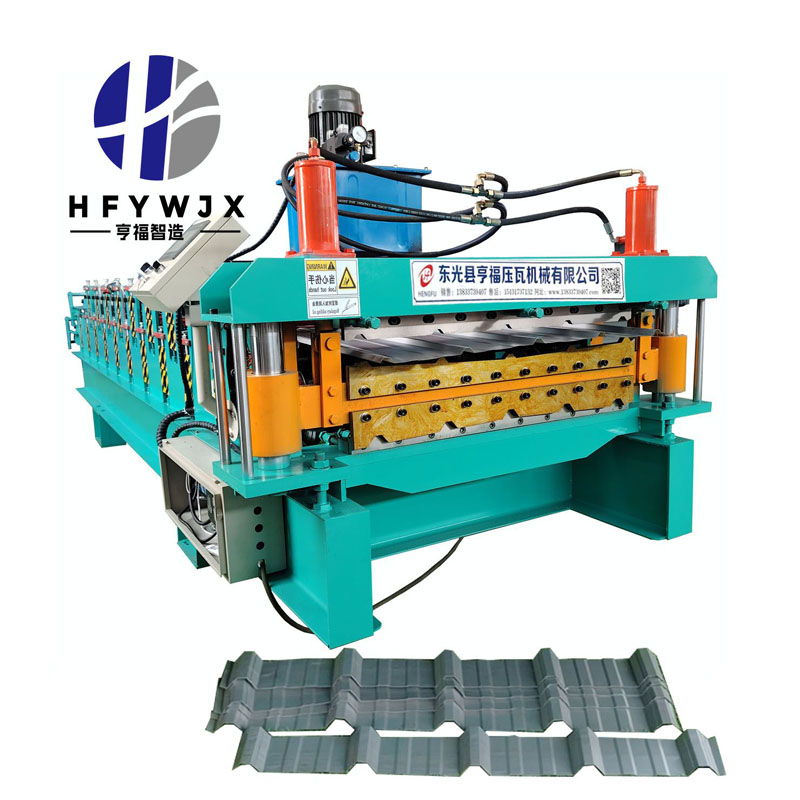
The cold roll forming process gradually shapes metal strip by passing it through consecutive pairs of contoured rollers. Each roller station performs a small bending operation, and the cumulative effect produces the final profile shape. This incremental approach minimizes material stress and maintains dimensional accuracy throughout the length of formed parts.
Manufacturers specializing in roll forming equipment understand how roller design, material properties, and machine settings interact to produce quality results. They apply engineering principles and practical experience to create machines that form complex profiles reliably and efficiently. Working with knowledgeable suppliers provides access to this expertise during equipment selection and subsequent operation.
Economic Benefits of Cold Roll Forming
Compared to alternative metal forming methods, cold roll forming offers compelling economic advantages. The process generates minimal material waste, operates at high production speeds, and produces parts with consistent quality. These factors combine to deliver favorable cost per unit, particularly for medium to high-volume production runs.
Suppliers who understand production economics can help customers quantify the financial benefits of roll forming for their specific applications. They may provide cost comparison models, payback calculations, and productivity projections that support equipment investment decisions. This analytical approach demonstrates supplier professionalism and helps build confidence in the proposed solution.
Equipment Configuration and Customization
Roll forming machines range from simple manual lines to fully automated production systems. Basic machines handle straightforward profiles with minimal auxiliary equipment, while sophisticated lines incorporate punching, notching, welding, and packaging functions. Determining the appropriate configuration requires careful analysis of production requirements and quality standards.
Established factories offer modular equipment designs that allow customers to start with basic configurations and add capabilities as business grows. This scalable approach reduces initial investment while preserving upgrade paths. Manufacturers committed to long-term customer relationships provide clear upgrade roadmaps and retain compatibility with earlier equipment generations.
Material Handling and Process Integration
Efficient material handling significantly influences overall production productivity. Coil cars, uncoilers, accumulators, and runout systems must integrate seamlessly with the forming machine. Overlooking handling equipment needs can create production bottlenecks that negate the speed advantages of modern roll forming machinery.
Experienced suppliers evaluate complete production workflows when recommending equipment. They identify potential handling challenges and propose solutions that maintain material flow throughout the process. This holistic approach distinguishes professional suppliers from those focused solely on the forming machine itself, often making the difference between a successful installation and ongoing operational frustrations.
Quality Control Systems and Process Monitoring
Maintaining consistent product quality requires appropriate monitoring and control systems. Modern roll forming machines incorporate sensors, measurement devices, and feedback loops that detect deviations and trigger corrective actions. These systems reduce scrap rates and ensure compliance with customer specifications.
Manufacturers with strong quality management systems design quality features into their equipment from the outset. They understand which process parameters most affect product quality and incorporate monitoring capabilities accordingly. Investing in equipment with comprehensive quality control features proves cost-effective by reducing warranty claims and enhancing customer satisfaction.
Tooling Design and Profile Development
Successful roll forming depends heavily on proper tooling design. Roller geometries must account for material springback, thinning effects, and forming stresses to produce accurate final profiles. This specialized knowledge develops through experience and engineering analysis, making supplier selection particularly important for complex or tight-tolerance profiles.
Factories with in-house tooling design capabilities offer distinct advantages. They can develop custom profiles, optimize existing designs, and troubleshoot forming issues with greater efficiency. When evaluating suppliers, examining their tooling design resources and previous project examples provides insights into their technical capabilities and suitability for specific applications.
Operational Training and Knowledge Transfer
Even the best equipment requires knowledgeable operators to achieve optimal performance. Comprehensive training programs covering machine operation, routine maintenance, and basic troubleshooting enable customers to maximize their equipment investment. Suppliers who prioritize knowledge transfer demonstrate commitment to customer success beyond the initial equipment sale.
Reputable manufacturers develop structured training materials and may offer training at their facilities or customer sites. They understand that competent operators reduce equipment downtime, improve product quality, and extend machine service life. This training investment yields returns through improved equipment utilization and reduced reliance on supplier technical support.
After-Sales Support and Service Network
Roll forming machines represent long-term investments that require ongoing support to maintain productivity. Suppliers with established service networks, readily available spare parts, and responsive technical support provide valuable assurance. Evaluating support capabilities proves as important as comparing equipment specifications when selecting a manufacturing partner.
Manufacturers who view equipment sales as the beginning of long-term relationships rather than transactional events deliver superior customer experiences. They maintain communication after installation, offer periodic equipment inspections, and proactively suggest improvements or upgrades. This partnership approach creates value for both parties and often leads to additional equipment purchases as customer businesses expand.
References
Metal forming technology textbooks and industrial manufacturing process guides.
Engineering research on cold roll forming mechanics and optimization techniques.
Manufacturing equipment selection and economic evaluation methodologies.