

Color Steel Bending Machine: Operational Guide and Selection Tips
writer:优化 release time:2026-07-17 22:56:52 Views:194frequency
Color steel bending machines play a vital role in the metal construction industry, transforming flat or formed sheets into curved or angled components required for modern architectural designs. These machines enable contractors and manufacturers to create aesthetically pleasing and functionally superior roofing and wall systems that meet diverse architectural requirements.
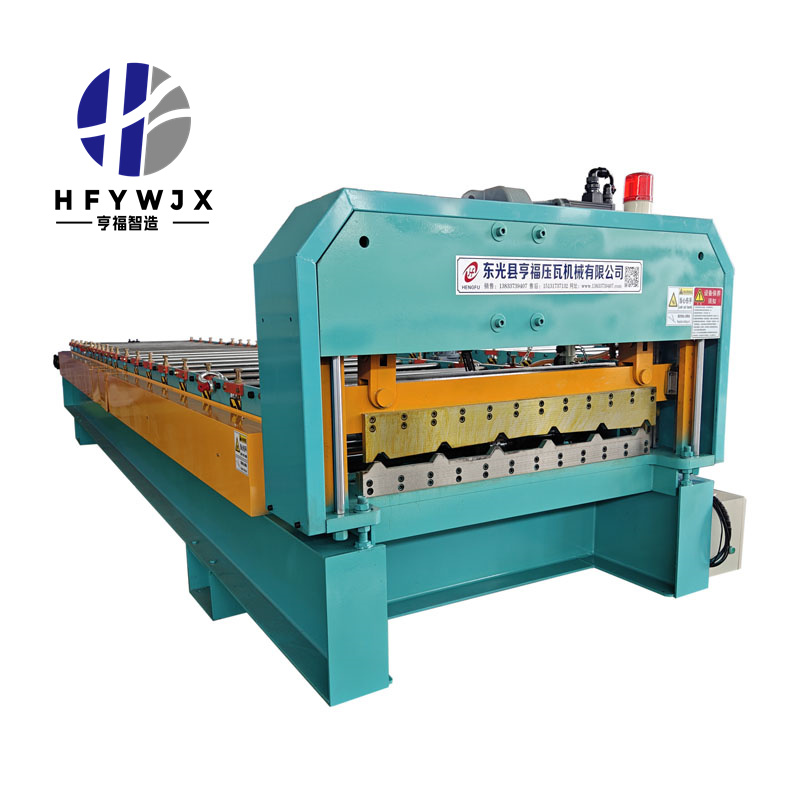
Fundamental Bending Principles
The bending process involves applying controlled force to metal sheets, causing them to deform along a predetermined axis without compromising structural integrity. Quality equipment from established factories employs precise roller positioning and pressure control to achieve consistent bending angles. Understanding the relationship between material properties, bending radius, and machine settings helps operators produce accurate results consistently.
Manufacturers with extensive engineering experience design machines that accommodate various material thicknesses and coating types. They recognize that color-coated steel requires careful handling to prevent coating damage during the bending process. Advanced machines incorporate protective roller materials and adjustable pressure settings that preserve the aesthetic appearance of pre-finished metal sheets.
Machine Types and Configuration Options
The market offers several bending machine configurations, each suited to specific applications and production volumes. Simple manual machines serve occasional bending needs, while hydraulic and CNC-controlled models handle high-volume production with minimal operator intervention. Selecting the appropriate type depends on expected usage patterns, required precision levels, and available operational expertise.
Suppliers offering comprehensive product lines can guide buyers toward machines matching their specific needs. They consider factors such as typical bending angles, material dimensions, production speed requirements, and available floor space. Experienced manufacturers also provide insights into tooling options that expand machine versatility, allowing a single machine to handle multiple bending profiles.
Critical Selection Criteria
Evaluating bending machines requires careful consideration of multiple technical and commercial factors. Bending capacity, expressed as maximum material thickness and width, represents the primary specification. However, discerning buyers also examine frame rigidity, roller quality, control system sophistication, and ease of operation. These factors collectively determine long-term satisfaction and return on investment.
Reputable factories provide detailed performance data and often invite potential customers to witness equipment demonstrations. This transparency allows buyers to verify manufacturer claims and assess build quality firsthand. Additionally, established suppliers offer references from existing customers, providing valuable insights into real-world machine performance and supplier reliability.
Installation and Commissioning Best Practices
Proper installation significantly influences bending machine performance and service life. Level foundations, adequate power supply, and appropriate environmental conditions create the foundation for reliable operation. Professional suppliers provide comprehensive installation guidance and may offer on-site commissioning services to ensure machines operate correctly from the start.
Manufacturers committed to customer success develop detailed installation checklists and operator training materials. They understand that proper startup procedures prevent many common operational issues. Investing time in thorough commissioning pays dividends through reduced downtime and consistent product quality throughout the equipment's operational life.
Operational Techniques for Quality Results
Achieving excellent bending results requires understanding material behavior and machine capabilities. Operators must consider springback effects, where metal partially returns toward its original shape after bending. Experienced suppliers provide compensation guidelines helping operators adjust machine settings to achieve target bending angles accurately.
Factories producing quality equipment incorporate features that simplify operator tasks. Digital angle displays, programmable bending sequences, and automatic position adjustment reduce skill requirements and minimize setup errors. These user-friendly features prove particularly valuable in production environments with multiple operators or frequent job changes.
Maintenance Requirements and Schedules
Regular maintenance preserves bending machine accuracy and prevents unexpected failures. Daily lubrication of moving parts, periodic inspection of hydraulic systems, and timely replacement of worn components form the core of effective maintenance programs. Suppliers providing clear maintenance schedules and readily available spare parts demonstrate commitment to long-term customer support.
Manufacturers with established service networks ensure maintenance assistance remains accessible throughout the equipment's life cycle. They maintain inventories of common wear items and can provide technical support for troubleshooting operational issues. This ongoing support relationship often influences equipment pricing, making comprehensive evaluations essential when comparing supplier offerings.
Troubleshooting Common Operational Issues
Even well-maintained machines occasionally exhibit operational challenges. Understanding common issues and their remedies helps minimize production disruptions. Problems such as inconsistent bending angles, surface marking on finished pieces, or unusual machine noises each have specific causes and solutions that trained operators can address systematically.
Quality-focused suppliers provide troubleshooting guides and technical support hotlines to assist customers facing operational difficulties. They view such support as integral to their service offering, recognizing that customer success ultimately strengthens their market reputation. Building relationships with responsive manufacturers proves invaluable when production schedules are tight and technical issues arise.
References
Metal fabrication technical manuals and industry best practice guides.
Construction machinery operation and maintenance handbooks.
Engineering research publications on metal forming and bending technologies.