

Key Technical Parameters of High-Speed Metal Roofing Sheet Machines Explained
writer:优化 release time:2026-04-29 13:38:18 Views:69frequency
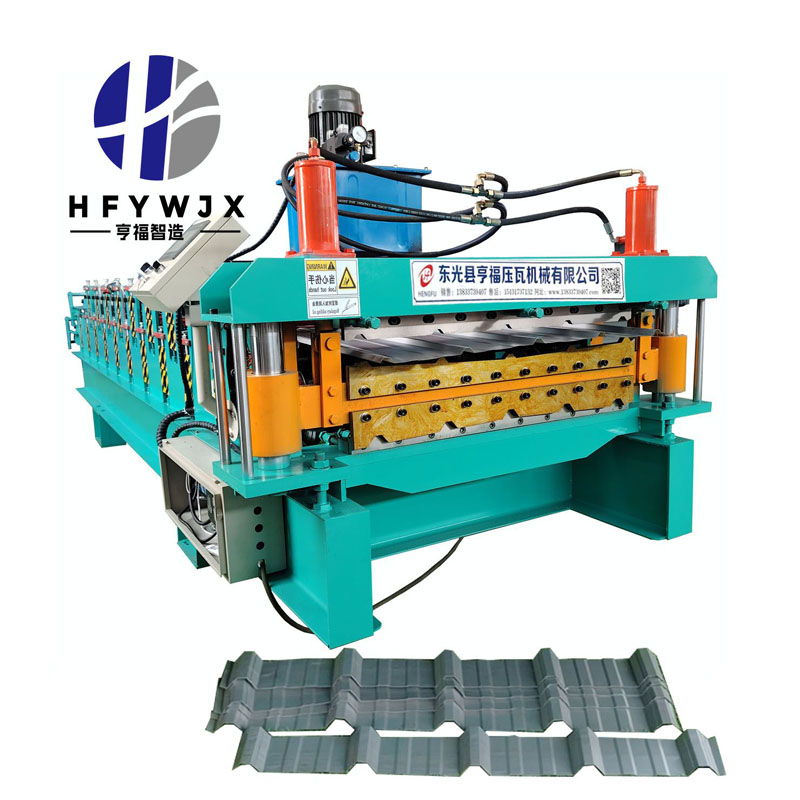
In contemporary metal roofing manufacturing, the performance of equipment is no longer evaluated solely by its operating speed or external appearance. Instead, purchasers focus intensely on detailed engineering specifications that dictate the equipment’s long-term stability, precision, and productivity. A high-speed metal roofing sheet machine is a fully integrated production system, where every technical parameter exerts a direct influence on the quality of the final output and the overall operational efficiency. This article breaks down the most critical technical parameters of metal roofing sheet machines and elaborates on how each parameter affects actual manufacturing performance in practice.
Production Speed: The Core Benchmark of Operational Efficiency
Production speed is one of the most vital specifications of a high-speed roll forming machine, typically measured in meters per minute (m/min). Standard models usually operate at a speed of around 10–20 m/min, while high-speed systems can achieve 30–60 m/min or even higher, depending on their specific configuration and component quality. However, true high-speed performance is not merely about achieving maximum speed. It hinges on the machine’s ability to maintain stable forming, precise cutting, and consistent output when running at that speed. A reliable high-speed metal roofing sheet machine must strike a rational balance between speed and precision, ensuring that product quality is not compromised in the pursuit of higher efficiency.
Material Thickness Capacity: Defining the Scope of Application
The range of material thickness a machine can handle determines the types of roofing sheets it can produce. Most metal roofing sheet machines are capable of processing steel coils with a thickness of 0.3 mm to 0.8 mm, while heavy-duty models can support thicker materials, up to 1.2 mm. A broader material thickness range translates to greater market adaptability, enabling manufacturers to cater to the needs of residential, commercial, and industrial roofing projects. Nevertheless, processing thicker materials requires more robust rollers, higher motor power, and reinforced frame structures to ensure stable and accurate forming.
Coil Width and Formed Profile Dimensions
Coil width refers to the width of the raw steel sheet before the roll forming process, while the final width of the finished product is determined by the design of the roofing profile. These two parameters must be calculated with extreme precision during the machine’s design phase to ensure the dimensional accuracy of the final roofing sheets. In a high-speed metal roofing sheet machine, even minor miscalculations in width parameters can lead to mismatched panels that cannot be installed properly or unnecessary material waste. Therefore, the precise engineering of width-related parameters is essential for efficient production planning and cost control.
Roll Forming Stations: Ensuring Shaping Accuracy and Operational Stability
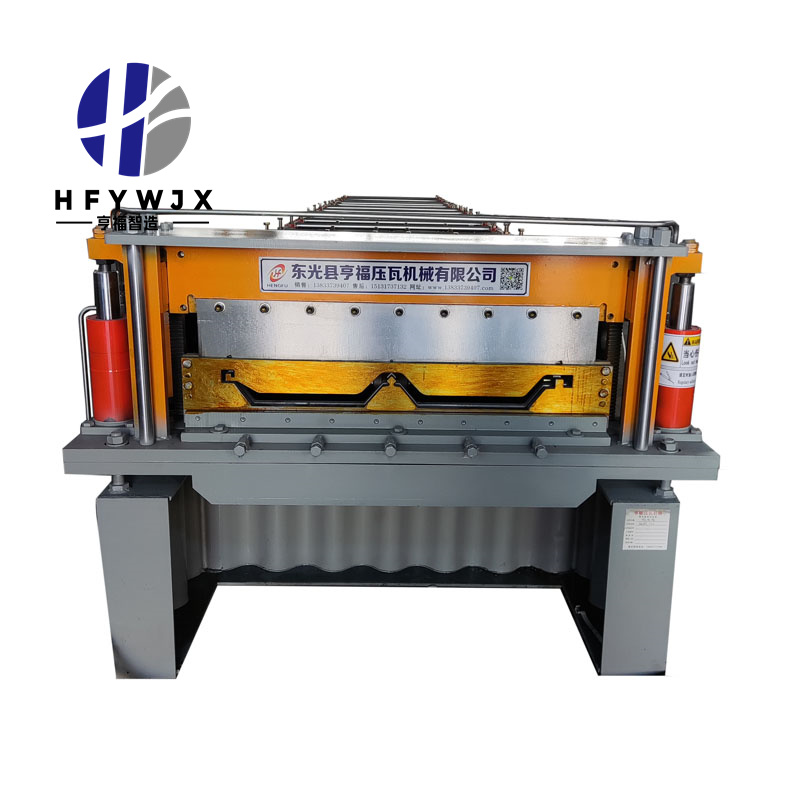
The number of forming stations determines the gradualness with which the metal sheet is shaped into its final profile. A typical metal roofing sheet machine is equipped with 12 to 24 forming stations, depending on the complexity of the roofing profile design. Generally speaking, a greater number of forming stations improves shaping accuracy by reducing the stress exerted on the material at each forming step. In high-speed roll forming machines, optimized roller distribution ensures smooth material deformation even when the machine is operating at high speeds, preventing material damage or irregularities.
Roller Material and Hardness Treatment
Rollers are the core forming components of a metal roofing sheet machine. High-quality machines adopt 45# steel or CR12 steel for roller manufacturing, followed by heat treatment and hard chrome plating processes to enhance their performance. These surface treatment and material selection measures improve the rollers’ hardness, wear resistance, and corrosion protection. For a high-speed metal roofing sheet machine, durable rollers are indispensable for maintaining consistent product quality during long-term production cycles and high-speed operation.
Drive System: Ensuring Stable Power Transmission
The drive system is responsible for transmitting power to all forming stations, and its performance directly affects the overall operational stability of the machine. Common drive system options include chain drive, gearbox drive, or combined drive systems. Advanced metal roofing sheet machines often adopt gearbox-driven systems, as they provide superior torque control and effectively reduce operational vibration. This ensures smoother machine operation, especially when running at high speeds or processing thicker materials, avoiding fluctuations that could impact product quality.
Cutting System: Precision Without Disrupting Production
Cutting technology is a key factor that influences production efficiency. Modern high-speed metal roofing sheet machines typically adopt hydraulic flying cutting or servo-controlled cutting systems, which differ from traditional cutting methods that may cause thermal deformation of the material. The main advantage of these advanced cutting systems is that they enable continuous production—cutting is performed without stopping the roll forming line. A high-quality high-speed metal roofing sheet machine ensures precise control of sheet length, clean and smooth edges, and minimal deformation after cutting.
Control System (PLC): The Core of Intelligent Automation
The PLC (Programmable Logic Controller) serves as the “brain” of the entire production line, allowing operators to set key parameters such as sheet length, production quantity, and operating speed with high accuracy. Advanced PLC systems are equipped with user-friendly touchscreen interfaces, automatic fault detection functions, and real-time operational monitoring. This level of automation reduces manual intervention, minimizes human error, and improves production consistency, making the high-speed roll forming machine more efficient and user-friendly.
Dimensional Tolerance and Precision Control
Tolerance refers to the allowable deviation in the dimensions of the finished product. For a professional metal roofing sheet machine, the length accuracy is typically controlled within ±1–2 mm, which is a key indicator of product quality. High precision ensures that roofing sheets fit seamlessly during on-site installation, reducing the need for manual adjustments at the construction site and improving the overall quality of the construction project.
Machine Frame Structure: The Foundation of Operational Stability
The structural frame of the machine is responsible for maintaining its rigidity during operation. Heavy-duty welded steel frames are commonly used in high-performance high-speed metal roofing sheet machines. A stable frame reduces operational vibration, which is crucial for improving forming accuracy and extending the service life of the machine’s components. For a high-speed metal roofing sheet machine, structural strength is a critical factor ensuring long-term reliable operation.
Power Requirements and Energy Consumption
Power configuration varies according to the machine’s size and design. A typical metal roofing sheet machine requires a main motor power of 5.5 kW to 15 kW, with larger or heavy-duty models needing higher power input. Energy-efficient system designs help reduce long-term operating costs, especially in continuous production environments. For manufacturers aiming to improve overall profitability, choosing a high-speed roll forming machine with optimized power usage is an important consideration.
Conclusion
Understanding the key technical parameters of a high-speed metal roofing sheet machine is essential for selecting the right equipment and ensuring stable long-term production. Each parameter—from production speed and material thickness capacity to roller design and PLC control—directly affects the machine’s efficiency, precision, and cost performance. A well-designed metal roofing sheet machine is more than just a production tool; it is a strategic investment in a manufacturer’s production capacity and market competitiveness. By carefully evaluating these technical details, manufacturers can significantly improve the quality of their output and enhance operational efficiency. High-speed metal roofing sheet machines continue to be the core solution for efficient, high-precision roofing production in the modern manufacturing industry, supporting the sustainable development of the roofing sector.
References
GB/T 7714:Optimization of Gearbox Transmission System for High-Speed Metal Roofing Roll Forming Machines. Journal of Mechanical Engineering
MLA:Performance Analysis of 45# Steel Rollers with Hard Chrome Plating in High-Speed Roofing Sheet Machines. Materials Science and Engineering
APA:Hydraulic Flying Cutting Technology: Enhancing Precision in High-Speed Metal Roofing Production. Journal of Manufacturing Processes