

Materials and Components Selection by Roll Forming Machine Manufacturers
writer:优化 release time:2026-01-31 22:53:23 Views:148frequency
Choosing the right materials and components is one of the most critical responsibilities of a professional roll forming machine manufacturer. A roll forming machine is not just a mechanical structure; it is a long-term production asset that must operate with precision, stability, and durability under continuous industrial workloads.
For manufacturer-level production, the quality of every frame, roller, shaft, bearing, transmission element, and control unit directly determines output consistency, maintenance cost, and customer profitability. That is why experienced factory suppliers never rely on random sourcing. Instead, they build a systematic material and component selection strategy aligned with engineering performance and production reliability.
This article explains how professional roll forming machine manufacturers approach materials and components selection to guarantee stable factory production and long service life.
Why Material Selection Matters in Roll Forming Production
A roll forming machine operates under constant stress, vibration, and load transfer. Poor materials may save cost initially, but they increase failure risk, downtime, and deformation over time.
A professional manufacturer focuses on three major performance goals:
·Structural stability
·Dimensional accuracy
·Long-term production durability
From a factory production perspective, material selection affects:
·Load-bearing capacity
·Wear resistance
·Corrosion protection
·Thermal behavior
·Fatigue life
In industrial roll forming production, machines often run for thousands of hours annually. Therefore, every roll forming machine manufacturer must treat materials as engineering decisions rather than simple purchasing choices.
Frame Materials Used by Roll Forming Machine Manufacturers
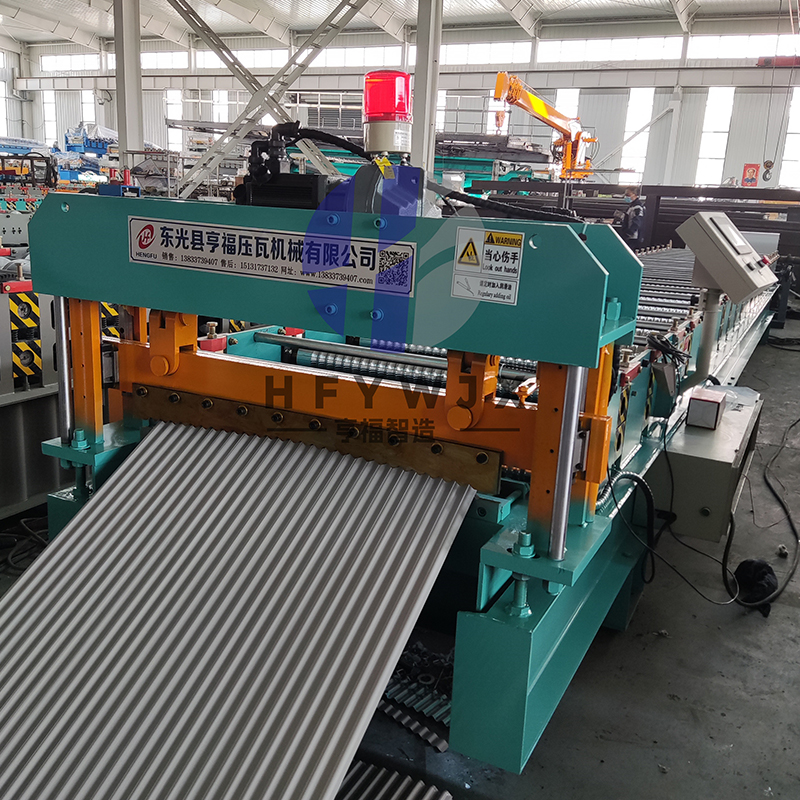
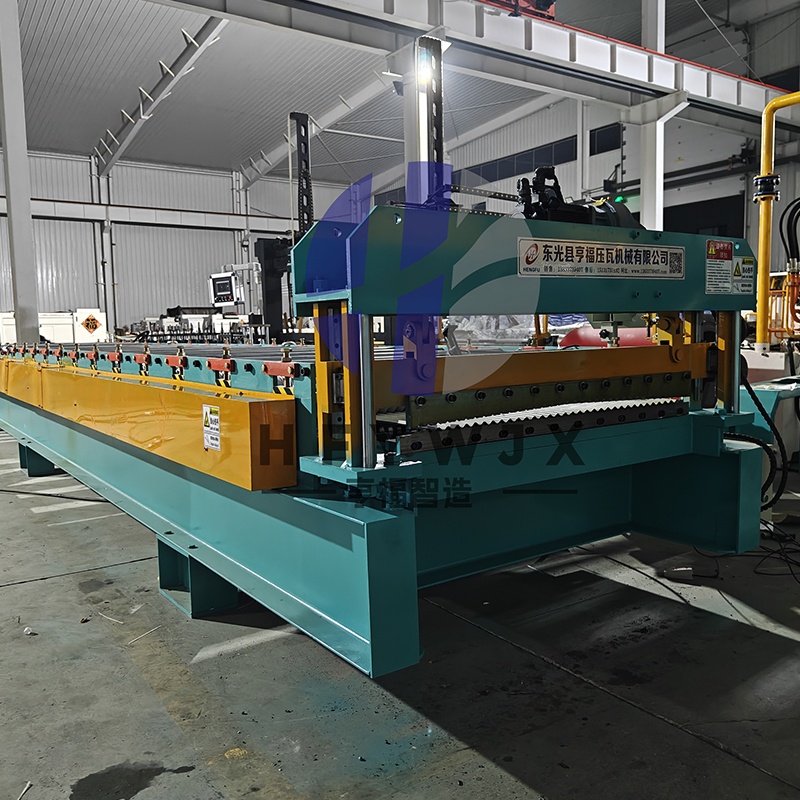
The machine frame is the backbone of a roll forming system. A professional roll forming machine manufacturer typically uses high-strength carbon steel or alloy steel plates for frame construction.
Key frame material principles include:
·High tensile strength for load resistance
·Weldability for structural integrity
·Stress-relief treatment after welding
·Precision machining after fabrication
Factory-level production processes include:
·Thick steel plate welding
·Heat treatment to remove residual stress
·CNC machining for flatness and alignment
This ensures that the roll forming machine maintains geometry accuracy and resists vibration under continuous production cycles.
Roller Materials and Surface Engineering
Rollers are the core forming tools inside a roll forming machine. Their material selection directly impacts profile accuracy and surface quality.
Professional roll forming machine manufacturers commonly use:
·High-grade alloy tool steel
·Chromium-molybdenum steel
·Heat-treated hardened surfaces
Important roller material properties include:
·High hardness for wear resistance
·Toughness to avoid cracking
·Smooth surface finish to protect sheet material
In factory production, rollers are often:
·CNC machined
·Heat treated
·Polished
·Surface coated if required
This combination ensures stable forming paths, reduced friction, and long tooling service life during industrial production.
Shaft and Transmission Component Selection
Shafts and transmission systems transfer torque and synchronize movement between rollers. For a professional roll forming machine manufacturer, component selection focuses on strength, fatigue resistance, and dimensional stability.
Typical materials include:
·Medium-carbon steel
·Alloy structural steel
·Precision ground shafts
Transmission components in roll forming production often include:
·Hardened gears
·Heavy-duty chains
·Precision bearings
·Balanced couplings
Factory assembly ensures:
·Proper alignment
·Minimal backlash
·Stable torque transfer
These selections reduce vibration, noise, and power loss, enabling the roll forming machine to operate smoothly in long-term production environments.
Electrical and Control System Components
Modern roll forming machines rely heavily on automation. A roll forming machine manufacturer must carefully select electrical components to ensure operational stability and safety.
Typical factory selections include:
·PLC controllers
·Servo motors
·Frequency inverters
·Industrial touch screens
·Safety relays
High-quality control components provide:
·Accurate length control
·Speed synchronization
·Fault detection
·Emergency protection
In factory production lines, electrical stability reduces unplanned downtime and protects both operators and equipment.
Cutting System Material and Design
The cutting unit finalizes product dimensions. Poor material choice here leads to burrs, deformation, and inaccurate lengths.
Professional roll forming machine manufacturers select:
·Tool steel blades
·Heat-treated cutting molds
·Hydraulic cylinders with high fatigue resistance
Factory-level cutting systems provide:
·Clean profile edges
·Stable repeatability
·Long mold lifespan
By selecting premium cutting materials, manufacturers maintain both output quality and production efficiency.
Bearing and Wear Component Selection
Bearings and wear components affect rotational smoothness and energy consumption. In roll forming production, they must tolerate continuous loads and speed changes.
A professional manufacturer uses:
·High-precision industrial bearings
·Sealed lubrication systems
·Anti-corrosion materials
Benefits include:
·Reduced friction
·Lower power loss
·Longer maintenance intervals
Factory installation ensures correct preload and alignment to maintain smooth production flow.
Factory Production Control in Component Selection
A real roll forming machine manufacturer does not simply buy parts and assemble them. Instead, factory production integrates selection, inspection, and testing into one system.
Key production control practices include:
·Incoming material inspection
·Dimensional tolerance checks
·Hardness testing
·Assembly accuracy verification
·Trial production runs
Through systematic factory control, roll forming machines achieve consistent performance before delivery.
This production discipline is what separates industrial manufacturers from trading companies.
How Proper Selection Improves Roll Forming Machine Performance
When materials and components are selected scientifically, the roll forming machine delivers:
Higher production stability
Better profile accuracy
Reduced maintenance costs
Longer service life
Improved customer ROI
For a roll forming machine manufacturer, good selection is not optional — it is a core engineering responsibility tied directly to production reputation.
Conclusion: Smart Selection Builds Strong Machines
Materials and components selection is the foundation of every successful roll forming machine. A professional roll forming machine manufacturer combines engineering knowledge, production experience, and factory control to build machines that perform reliably in demanding industrial environments.
From frames and rollers to shafts, bearings, automation, and cutting systems, every part must support stable production.
With real Manufacturer capability, structured Production processes, and integrated Factory quality control, roll forming machine suppliers transform raw materials into durable, accurate, and profitable production equipment.
In the end, strong selection leads to strong machines — and strong machines drive long-term industrial success.
References
GB/T 7714:Kang C, Sun B, Zhang X, et al. Research on the Mechanism and Processability of Roll Forming[J]. Materials, 2024, 17(13): 3126.
MLA:Kang, Cunfeng, et al. "Research on the Mechanism and Processability of Roll Forming." Materials 17.13 (2024): 3126.
APA:Kang, C., Sun, B., Zhang, X., & Yao, C. (2024). Research on the Mechanism and Processability of Roll Forming. Materials, 17(13), 3126.