

Production Efficiency Optimization Using Cold Roll Forming Machines
writer:优化 release time:2026-02-26 11:44:59 Views:179frequency
Why the Cold Roll Forming Machine Matters in Modern Production
In today’s competitive manufacturing landscape, improving productivity while maintaining precision is a top priority. A cold roll forming machine plays a central role in achieving this balance. By enabling continuous, automated metal profile production with minimal material waste, it has become an essential solution for industries such as construction, automotive, storage systems, and infrastructure.
For manufacturers focused on large-scale production and batch supply capability, investing in advanced roll forming technology is not just about equipment—it is about long-term operational efficiency, cost control, and market responsiveness.
Understanding Production Efficiency in Roll Forming
Production efficiency refers to maximizing output while minimizing downtime, material waste, labor cost, and energy consumption. In roll forming operations, efficiency is influenced by:
·Machine stability
·Tooling precision
·Line speed consistency
·Material utilization rate
·Automation integration
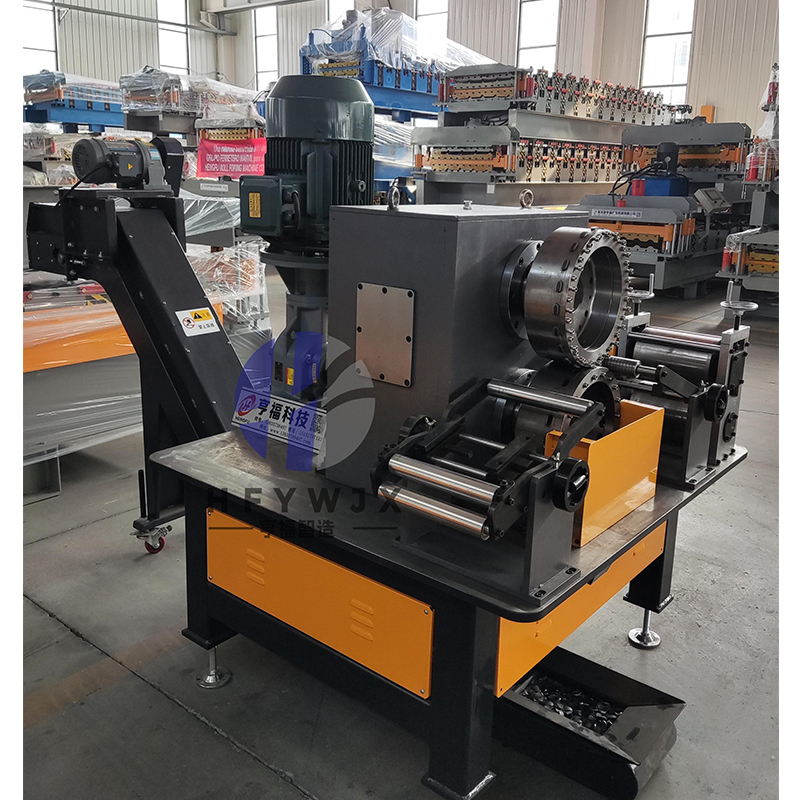
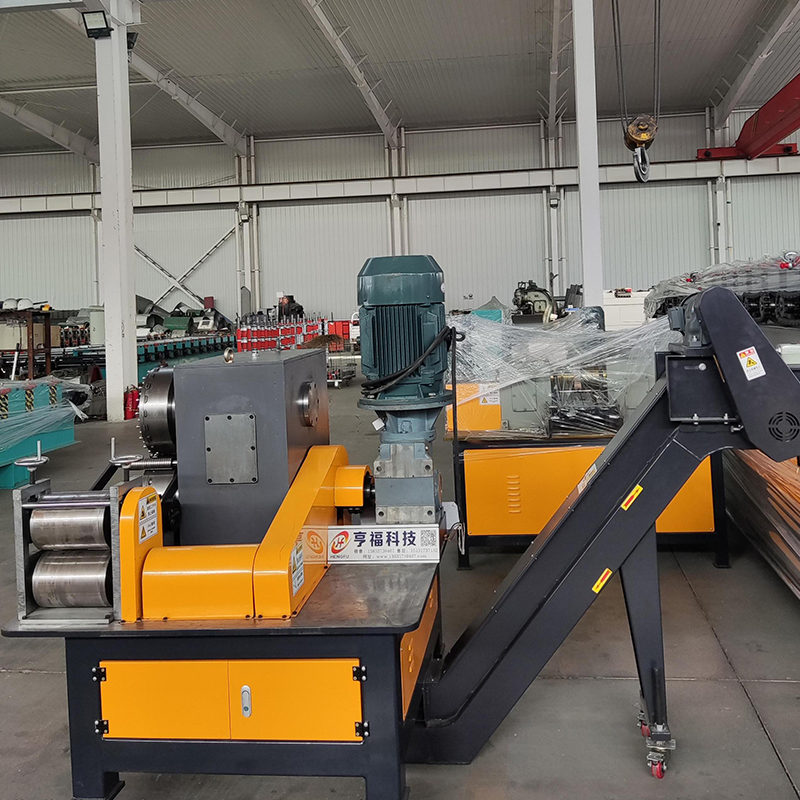
A modern cold roll forming machine operates through continuous bending of metal strips into predefined cross-sectional profiles. Unlike traditional stamping or press-based methods, roll forming offers uninterrupted processing, which significantly improves throughput.
Key Ways a Cold Roll Forming Machine Enhances Productivity
1. Continuous High-Speed Operation
One of the greatest advantages of roll forming technology is continuous production. Once the coil is loaded, the machine can operate at stable speeds for extended periods. This eliminates frequent stopping and restarting, reducing idle time and labor intervention.
With properly engineered roller stations and servo-driven systems, production lines can maintain both speed and dimensional accuracy, even during long batch runs.
2. Reduced Material Waste
Material efficiency directly impacts production cost. Cold roll forming uses progressive forming rather than cutting or stamping, which reduces scrap rates.
Optimized tooling design ensures:
·Minimal edge trimming
·Accurate bend angles
·Consistent profile geometry
This high material utilization rate makes the cold roll forming machine ideal for mass production environments where cost control is critical.
3. Automated Control Systems
Modern roll forming lines are equipped with PLC control systems and touch-screen interfaces. Automation enables:
·Real-time speed adjustment
·Length tolerance control
·Automated cutting synchronization
·Fault detection and alerts
This reduces manual errors and ensures consistent output quality. For manufacturers handling bulk production orders, automation enhances repeatability and reliability.
4. Tooling Optimization for Faster Changeovers
Downtime during profile changes can significantly reduce overall efficiency. Advanced cold roll forming machines are designed with modular roller stations and quick-change tooling systems.
Benefits include:
·Shorter setup time
·Flexible profile adjustment
·Reduced labor dependency
For factories offering batch supply and customized profile production, fast changeover capability allows greater responsiveness to market demands.
Practical Strategies to Optimize Roll Forming Efficiency
Even with advanced equipment, operational strategy plays a key role in maximizing efficiency. Below are actionable recommendations:
A. Select High-Precision Rollers
Roller material and machining accuracy determine final product consistency. High-quality hardened rollers improve durability and reduce maintenance frequency.
Precision tooling also reduces internal stress on formed sections, minimizing deformation issues.
B. Implement Preventive Maintenance
Routine inspection of bearings, chains, cutting blades, and electrical systems prevents unexpected downtime.
A structured maintenance plan should include:
·Lubrication schedules
·Alignment checks
·Electrical calibration
·Wear component replacement
Stable machine performance ensures consistent production output.
C. Optimize Coil Feeding and Leveling
Material feeding consistency directly impacts profile accuracy. Installing a reliable decoiler and leveling system ensures smooth strip entry into forming stations.
Uneven feeding may cause dimensional variation and surface defects, which ultimately reduce production efficiency.
D. Integrate Inline Punching and Cutting
Combining punching, embossing, and flying cutting into the same production line eliminates secondary processing steps.
An integrated cold roll forming machine with synchronized hydraulic or servo punching systems increases throughput while maintaining dimensional precision.
Cost Efficiency and Return on Investment
When evaluating production optimization, long-term return on investment is crucial. Roll forming technology provides:
·Lower labor cost per unit
·Reduced raw material waste
·Higher production speed
·Improved product consistency
For a professional Manufacturer with scalable Production capacity, these advantages translate into competitive pricing and reliable bulk supply capability.
Because roll forming supports high-volume manufacturing, the cost per unit decreases significantly as production volume increases. This is particularly beneficial for industries requiring standardized metal profiles in large quantities.
Quality Consistency in Mass Production
Efficiency should never compromise quality. A properly engineered cold roll forming machine maintains:
·Tight dimensional tolerances
·Smooth surface finishes
·Structural strength consistency
Uniformity across batches enhances customer trust and reduces rejection rates.
Advanced sensor systems can also monitor forming pressure and cutting accuracy in real time, further ensuring stable production standards.
Energy Efficiency and Sustainable Manufacturing
Sustainability is increasingly important in industrial operations. Compared to traditional forming processes, roll forming consumes less energy per unit produced.
Because the process is continuous and requires minimal reheating or secondary forming, it contributes to:
·Lower carbon footprint
·Reduced electricity consumption
·Efficient resource utilization
For manufacturers seeking greener production solutions, roll forming technology aligns with sustainable development goals.
Future Trends in Cold Roll Forming Technology
The evolution of smart manufacturing is reshaping the roll forming industry. Emerging trends include:
·IoT-enabled monitoring systems
·Remote diagnostics
·AI-based quality control
·Fully automated production lines
These innovations further enhance efficiency, especially for factories managing high-volume orders and customized production runs simultaneously.
Digital integration allows data-driven decision-making, improving both short-term productivity and long-term operational strategy.
Conclusion: The Strategic Value of a Cold Roll Forming Machine
A cold roll forming machine is more than just equipment—it is a strategic asset for production efficiency optimization. From continuous high-speed operation to reduced material waste and automated precision control, it delivers measurable improvements across every stage of manufacturing.
For a professional Manufacturer focused on scalable Production and reliable batch supply capability, investing in advanced roll forming solutions ensures consistent quality, cost efficiency, and market competitiveness.
In modern industrial manufacturing, optimizing output while maintaining precision is no longer optional. With the right cold roll forming machine, businesses can achieve sustainable growth, higher productivity, and long-term operational excellence.
References
GB/T 7714:Bhattacharyya D, Smith P D, Thadakamalla S K, et al. The prediction of roll load in cold roll-forming[J]. Journal of Mechanical Working Technology, 1987, 14(3): 363-379.
MLA:Bhattacharyya, D., et al. "The prediction of roll load in cold roll-forming." Journal of Mechanical Working Technology 14.3 (1987): 363-379.
APA:Bhattacharyya, D., Smith, P. D., Thadakamalla, S. K., & Collins, I. F. (1987). The prediction of roll load in cold roll-forming. Journal of Mechanical Working Technology, 14(3), 363-379.