

Roll Forming Lubrication Techniques: Extending Tool Life & Surface Quality
writer:优化 release time:2025-12-04 11:41:05 Views:84frequency
Why should any high-volume manufacturer care about lubrication in a Roll Forming Machine?
If you're running large-scale production, you already know a Roll Forming Machine isn’t just another piece of equipment—it’s the backbone of continuous profile manufacturing. But here's the real question: what truly determines whether your machine performs like an industrial workhorse or struggles through each shift?
The answer almost always comes down to lubrication.
Yes—lubrication. It may sound simple, but in high-speed forming lines sourced from a reliable manufacturer capable of stable production and bulk supply, lubrication is the secret mechanism that controls friction, temperature, tool wear, and even the final surface finish.
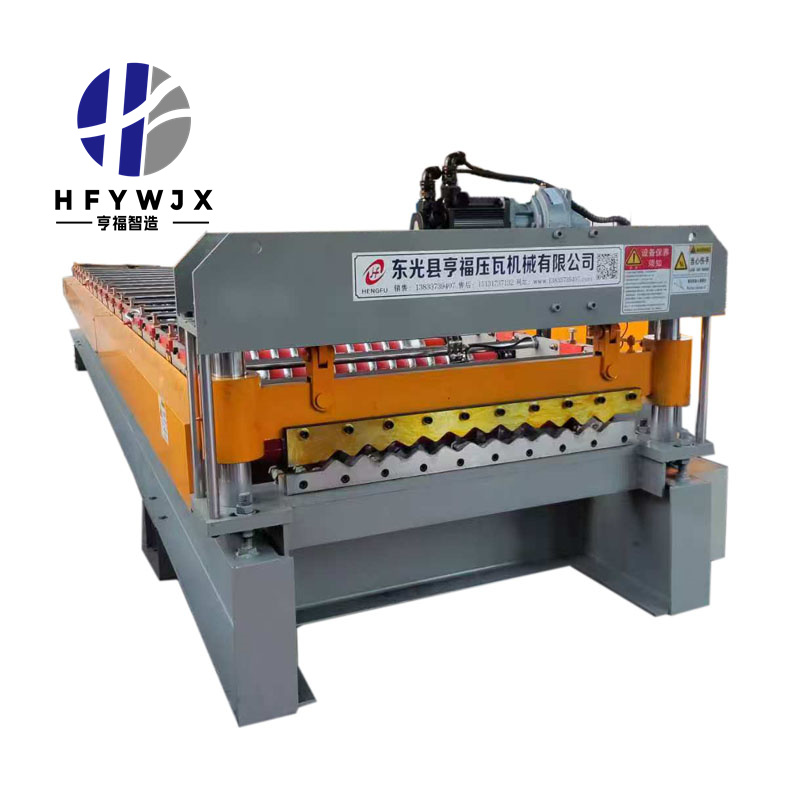
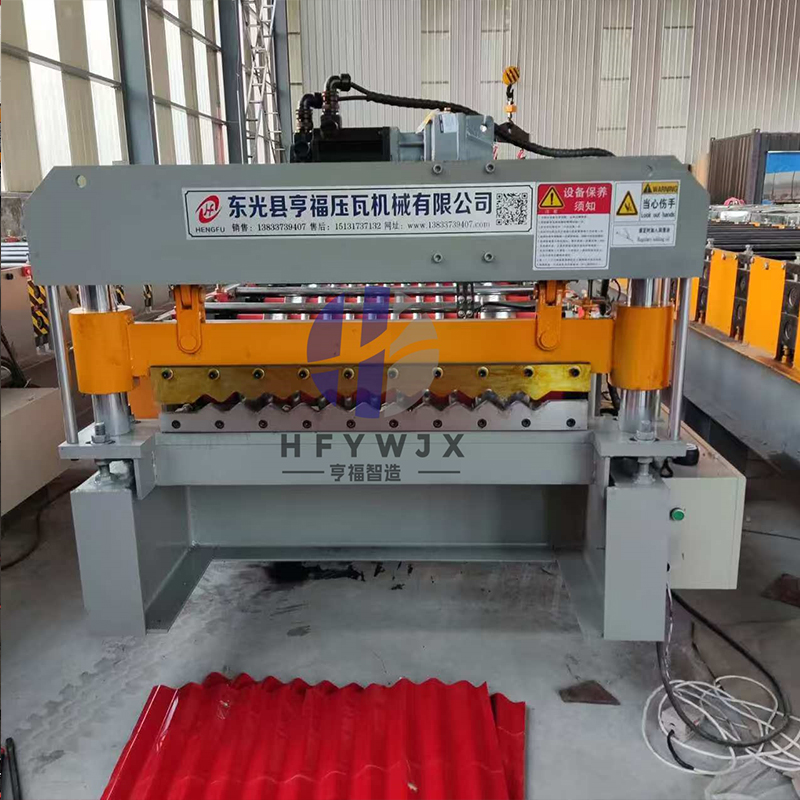
Is lubrication really that influential in roll forming?
Absolutely. Anyone who has ever operated a Roll Forming Machine knows the forming process seems smooth—but underneath that smoothness is an intense interaction between metal and rollers. So ask yourself:
·Do you want your rollers lasting longer?
·Do you want fewer scratches on your metal profiles?
·Do you want stable dimensions and high-speed performance?
If the answer is yes, then lubrication is not optional—it’s essential.
Without proper lubrication, what happens?
·Rollers wear out prematurely
·Surfaces scratch or gall
·Heat distorts dimensional accuracy
·Motors draw more power
·Friction spikes cause scoring and material sticking
So why risk all that when proper lubrication solves it?
Which lubricant type should a smart manufacturer choose?
That depends on your materials, production conditions, and quality expectations. But let’s walk through the options like a seasoned professional.
1. Oil-Based Lubricants — Still the classic choice
Do you need strong lubrication and cooling?
Are you forming carbon steel or thick materials?
Oil-based lubricants answer both questions with a firm yes.
Strengths:
·Strong lubrication film
·Excellent for high friction
·Handles heat effectively
Limitations:
·Requires proper cleanup
·Not ideal for ultra-clean applications
2. Water-Soluble Lubricants — Efficient and cleaner
If you want something cleaner, more economical, and suitable for large production lines, this is your go-to.
Advantages include:
·Less residue
·Environmentally friendlier
·Great for high-speed forming
3. Synthetic Lubricants — When performance matters most
When manufacturing aluminum, stainless steel, or decorative components, synthetic lubricants keep quality consistent.
Why choose them?
·High thermal resistance
·Ultra-clean finish
·Excellent for precision profiles
4. Dry Film Lubricants — The surface-sensitive hero
Ask yourself this:
Do you deal with pre-painted or decorative surfaces where scratches are totally unacceptable?
If so, dry films (wax, polymer coatings) are exactly what you need.
Best applications:
·Pre-painted sheets
·Minimal cleaning environments
·High-visibility finished products
How should lubrication be applied for maximum effect?
Even the best lubricant fails if applied incorrectly. Here are the most effective methods:
Roller Lubrication Systems
Targeted, consistent lubrication right where it’s needed.
Perfect for reducing waste and keeping friction steady.
Spray Lubrication
Ideal for thin materials and metals requiring perfect surface finish.
Clean, efficient, and highly controllable.
Flood Lubrication
If you’re forming heavy-gauge material and friction runs high, this high-volume method washes everything with cooling fluid.
Pre-Coated Metal Lubrication
Excellent for tight tolerances or decorative materials.
Provides predictable coating thickness.
What influences lubrication performance?
Any manufacturer who cares about efficiency should evaluate these factors:
·Viscosity: too thick or too thin? It matters.
·Material: aluminum and stainless act nothing like carbon steel.
·Roll design: sharper bends require more lubrication.
·Speed: high-speed forming demands high-performance fluids.
·Temperature: lubricants must stay stable under industrial heat.
Master these variables, and your forming line runs like a dream.
How does lubrication extend tool life?
Think about the cost of roller replacement.
Now ask yourself: Wouldn’t it be smarter to prevent wear instead of reacting to it?
Proper lubrication prevents:
·Adhesive wear
·Abrasive wear
·Thermal fatigue
·Galling and metal transfer
The result?
Longer tool life, fewer maintenance stops, and lower total production costs.
How does lubrication improve surface quality?
If you’re selling to customers who care about appearance (construction, automotive, HVAC, architecture), surface quality becomes your trademark. And lubrication is the silent hero behind it.
It helps achieve:
·Flawless, scratch-free surfaces
·Uniform gloss on coated materials
·Less micro-abrasion
·Reduced marking on decorative metal
This is how a high-quality Roll Forming Machine from a dependable manufacturer makes your final product outperform competitors.
How do you choose the right lubricant?
Great manufacturers follow these guidelines:
·Match lubricant to material type
·Use low-residue products for post-painting
·Ensure downstream compatibility
·Check environmental regulations
·Review viscosity, flash point, corrosion resistance, evaporation rates
Smart choices equal smoother forming, fewer interruptions, and better long-term performance.
Conclusion — Why Should Any Manufacturer Prioritize Lubrication?
Because lubrication is more than maintenance.
It’s a productivity multiplier, a tool-life extender, and a quality enhancer.
If your production line uses a Roll Forming Machine from a professional manufacturer with stable production capacity and reliable bulk-supply strength, then mastering lubrication is essential.
Choose correctly. Apply accurately. Monitor continuously.
And your forming line will deliver premium profiles every single shift.
References
GB/T 7714:Sheet metal forming: processes and applications[M]. ASM international, 2012.
MLA:Altan, Taylan, and A. Erman Tekkaya, eds. Sheet metal forming: processes and applications. ASM international, 2012.
APA:Altan, T., & Tekkaya, A. E. (Eds.). (2012). Sheet metal forming: processes and applications. ASM international.