

780 Roof Panel Forming Machine: Technical Specifications and Production
writer:优化 release time:2026-08-13 16:00:37 Views:98frequency
The 780 type roof panel is one of the most widely used profiles in metal
roofing construction. With a covering width of 780 millimeters and
carefully engineered rib geometry, this profile offers an efficient
balance of strength, material usage, and aesthetic appearance. A 780
roof panel forming machine is the dedicated equipment used to produce
these panels in consistent quality and high volume. This article
provides technical insights into the machine specifications, production
methods, and factors to consider when sourcing equipment from a
manufacturer.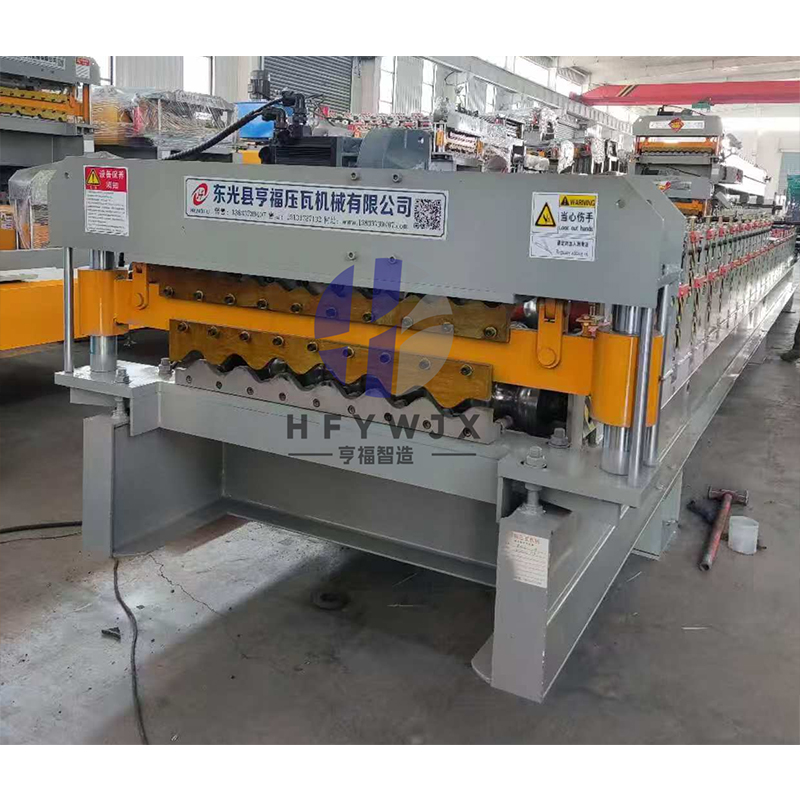
The 780 Profile Dimension and Characteristics
The 780 profile typically features a repeating pattern of trapezoidal ribs spaced across the panel width. The effective coverage width of 780 millimeters is achieved after side overlap with adjacent panels. The rib height commonly ranges from 15 to 35 millimeters depending on the specific profile variant. The sheet thickness used for 780 panels is usually between 0.4 and 0.7 millimeters for steel materials. The profile provides good load-bearing capacity for typical roof spans used in industrial and commercial buildings. The rib spacing and height can be adjusted in the tooling design to meet specific structural requirements or local building codes. Manufacturers of 780 machines have experience with the standard profile dimensions and can also develop custom variations. Understanding the exact profile geometry required for the target market helps buyers specify the correct roller tooling.
Machine Configuration and Roller Design
A 780 roof panel forming machine is configured with roller stations that gradually form the flat strip into the final profile shape. The number of roller stations typically ranges from 14 to 22 depending on the profile complexity and desired forming quality. Each station performs a small bending increment, distributing the forming work evenly to prevent material stress concentration. The rollers are machined from high-quality steel, often carburized and hardened for wear resistance. The roller contours must be designed accurately to produce consistent profile dimensions over the full panel length. Suppliers with computer-aided roller design capabilities can optimize the forming sequence for efficient production and minimal material waste. The roller set is specific to the 780 profile and cannot be used for other profile types unless additional interchangeable roller cassettes are purchased.
Production Speed and Throughput Capabilities
The forming speed of a 780 machine depends on material specifications and profile complexity. Typical operating speeds range from 15 to 25 meters per minute under normal conditions. Some high-performance machines achieve speeds above 30 meters per minute with appropriate material grades and thicknesses. The actual throughput also depends on the cutting system speed and the efficiency of material handling. Pre-cut systems cut the panel before forming, while post-cut systems cut after forming. Each approach has specific speed implications. Servo-driven cut-to-length systems offer high precision with minimal speed sacrifice. The factory should provide speed data based on actual production tests rather than theoretical calculations. Buyers can use this data to estimate their potential daily output and verify that the machine capacity matches their production targets.
Material Options and Coating Types
The 780 profile is produced from various metal coil materials. Galvanized steel is the standard choice for most applications, offering good corrosion resistance at economical cost. Galvalume-coated steel provides enhanced corrosion protection for more demanding environments. Color-coated steel matches the 780 panel to surrounding architectural finishes. Pre-painted coils are available in a wide range of colors and gloss levels. Aluminum coils offer lightweight corrosion resistance for specialized applications. The machine must be set up appropriately for the chosen material. Differences in material strength, thickness, and coating type may require adjustments to roller pressure settings and forming parameters. Suppliers with broad material experience can provide guidance on machine configuration for different feed stock types. Testing with the actual production material during machine commissioning helps ensure optimal results.
Installation Accessories and Integrated Features
Complete roofing systems include various accessories that work with the main 780 panels. Ridge caps, flashings, gutters, and ventilation components are typically needed for a full roof installation. Some 780 machines can produce these accessories in addition to the main panels, either through tooling changes or auxiliary stations. The machine may also incorporate features such as hole punching for screw-down installation or embossing for architectural effects. Integrated production of panels and accessories streamlines the supply chain and ensures consistent appearance across all roof components. Buyers should discuss accessory requirements with potential suppliers to determine whether the machine can produce a complete product range. A factory that offers comprehensive tooling solutions reduces the need for multiple equipment purchases from different sources.
Quality Assurance During Production
Consistent quality in 780 panels depends on several factors that the machine must control. Profile dimensions, panel flatness, cut length accuracy, and surface condition are the primary quality attributes. In-line measurement systems can monitor these parameters during production and alert operators to deviations. Automatic adjustment features can correct some variations without stopping production. The machine frame stability and roller alignment are fundamental to maintaining consistent quality over long production runs. Regular maintenance of rollers, bearings, and cutting blades preserves quality over time. Suppliers should provide quality verification procedures and recommended inspection intervals. Buyers can use these guidelines to establish their own quality control programs. Machines that include built-in quality monitoring features simplify the process of maintaining product standards.
Cost Considerations and Investment Analysis
The investment in a 780 roof panel forming machine involves multiple cost components beyond the machine itself. Installation costs, foundation work, electrical connections, and material handling equipment all add to the total project budget. Operating costs including energy consumption, maintenance materials, and operator labor affect ongoing profitability. The expected production volume and selling price of the finished panels determine the return on investment period. Manufacturers should provide comprehensive cost information to support investment analysis. Buyers should develop a realistic financial model that accounts for all costs and revenue projections before committing to an equipment purchase. Comparing proposals from multiple qualified suppliers provides a basis for negotiation and helps identify the best overall value.
References
Metal roof panel profile specifications and design load calculation guides. Cold roll forming machinery selection handbooks and investment evaluation templates. Building construction standards for trapezoidal metal roofing panels and installation methods. Industrial equipment cost analysis and return on investment calculation methodologies.